How to Choose the Best Robot Coffee Maker for Business?
Choosing the best Robot Coffee Maker for business requires more than comparing prices and drink menus. The right machine must fit your daily workflow, customer expectations, staff skills, and available space. In a busy hotel lobby, a slow payment screen can create a queue within minutes. In a small office, excessive noise may become the real problem. Watch the queue. Notice the noise. These practical details often reveal more than a polished product brochure.
A professional evaluation should examine brewing consistency, milk handling, cleaning routines, cup capacity, payment options, and remote monitoring. Ask manufacturers for clear technical specifications, service conditions, warranty coverage, and maintenance schedules. Review relevant food-contact materials and safety documentation carefully. Local requirements still matter. A reliable supplier should explain them rather than avoid difficult questions. Speak with current users when possible. Their maintenance logs may reveal weaknesses that demonstrations hide.
Operating costs deserve equal attention. Calculate ingredients, electricity, software fees, cleaning supplies, repairs, and expected downtime. A lower purchase price may become expensive if the machine needs frequent service. No machine is perfect. Even a strong model may struggle during a sudden lunchtime rush or with unusual drink customisation. Consider a supervised trial before committing to a large rollout. Measure preparation time, waste, customer feedback, and staff involvement. The best choice is not always the most advanced Robot Coffee Maker. It is the one that delivers dependable drinks, manageable maintenance, and a sensible return for your specific business.
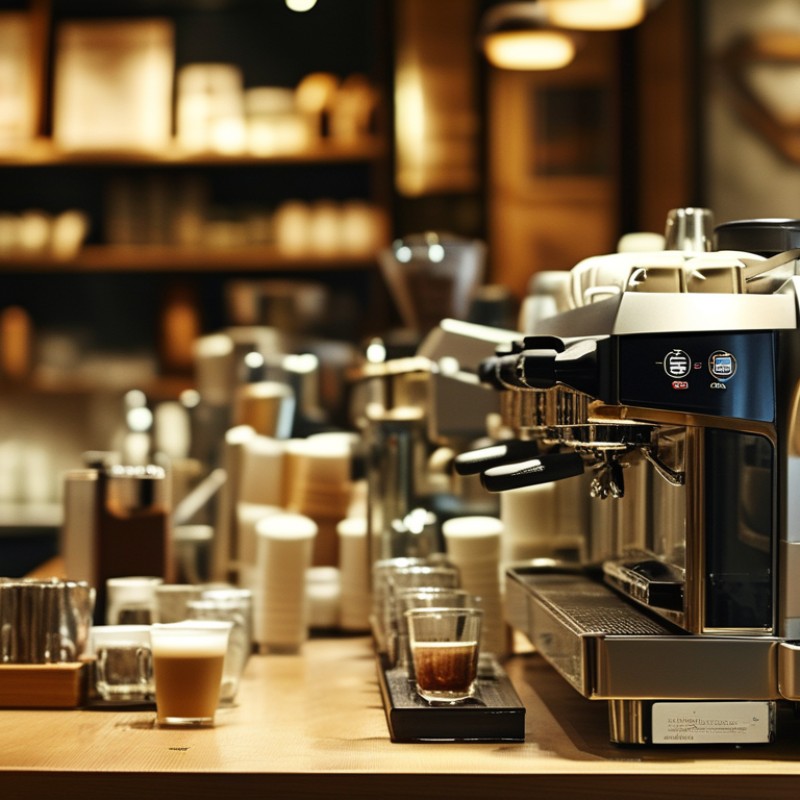
Define Your Business Coffee Needs and Service Goals
How to Choose the Best Robot Coffee Maker for Business?
Define Your Business Coffee Needs and Service Goals
Choosing a robot coffee maker starts with your daily service reality. A busy hotel lobby may need fast espresso during breakfast. A small office may value quiet operation and simple controls. Record your peak demand, average cup size, drink types, and available counter space. Guesswork becomes expensive.
Set a practical service target. For example, you may need 80 drinks during a morning rush, with fewer than three minutes per order. Check whether the machine can handle coffee, milk, hot water, and custom requests without slowing the queue. Consider user experience too. A clear screen, accessible controls, and easy payment flow can reduce staff interruptions.
Maintenance should shape the decision. Ask how often the system needs cleaning, refilling, calibration, and waste removal. A removable milk container and visible water level can save time during busy shifts. Confirm who will perform daily checks and who handles technical support. Written cleaning instructions improve consistency and protect drink quality.
Run a short trial before committing. Measure waiting time, drink temperature, noise, error frequency, and staff workload. My early planning mistake was focusing too heavily on automation. The machine looked efficient, but refill access was awkward. Small details matter. Leave room for imperfect demand forecasts, seasonal changes, and occasional manual assistance.
How to Choose the Best Robot Coffee Maker for Business? - Define Your Business Coffee Needs and Service Goals
| Business Setting | Typical Daily Demand | Peak Demand Target | Recommended Beverage Range | Recommended Robot Coffee Maker Capability | Service Goal | Key Selection Criteria |
|---|---|---|---|---|---|---|
| Small Office | 20–60 cups per day | 6–10 cups per 15 minutes | Espresso, Americano, coffee, cappuccino, latte | Small footprint, 1–2 drink orders at a time, automatic milk and cleaning functions | Convenient self-service with minimal staff involvement | Low operating complexity, easy refilling, quiet operation, countertop dimensions |
| Hotel Breakfast Area | 80–250 cups per day | 15–25 cups per 15 minutes | Black coffee, espresso drinks, hot milk drinks, decaffeinated options | High-capacity water and waste systems, multiple drink presets, fast recovery after repeated use | Fast guest service during concentrated breakfast periods | Peak-hour throughput, simple user interface, food-service sanitation features, easy daily cleaning |
| Coworking Space | 60–180 cups per day | 10–18 cups per 15 minutes | Americano, espresso, latte, cappuccino, hot water | Self-service touchscreen, programmable recipes, automatic rinsing, moderate-to-high daily capacity | Consistent drinks without assigning a dedicated coffee attendant | User simplicity, recipe consistency, remote status monitoring, low noise, reliable uptime |
| Retail Store or Showroom | 40–150 cups per day | 8–15 cups per 15 minutes | Espresso, Americano, latte, cappuccino, flavored milk drinks | Compact automated system with customizable menus and clear customer-facing controls | Use coffee service to improve customer experience and dwell time | Visual presentation, menu flexibility, cup-size options, spill prevention, simple payment integration |
| Convenience Retail | 100–400 cups per day | 20–35 cups per 15 minutes | Regular coffee, espresso, milk-based drinks, iced coffee where supported | Commercial-duty components, large ingredient capacity, rapid order processing, strong waste management | High-volume service with limited employee intervention | Throughput, recovery time, ingredient monitoring, cleaning alerts, payment and sales-data connectivity |
| Restaurant or Café Extension | 100–300 cups per day | 15–30 cups per 15 minutes | Espresso, Americano, latte, cappuccino, flat white, hot milk drinks | Consistent dosing and extraction, adjustable recipes, commercial milk system, staff override controls | Increase beverage capacity while reducing repetitive preparation work | Drink quality, recipe control, simultaneous food-service workflow, cleaning turnaround, service support |
| Healthcare or Waiting Area | 50–180 cups per day | 8–16 cups per 15 minutes | Coffee, decaffeinated coffee, espresso, hot water, milk-based drinks | Touch-free or low-contact controls where appropriate, enclosed ingredients, automated cleaning cycles | Reliable beverage access with strong hygiene and accessibility standards | Cleanable surfaces, spill control, accessibility, clear allergen information, maintenance documentation |
| Large Corporate Campus | 200–800 cups per day | 25–45 cups per 15 minutes | Full espresso menu, regular coffee, decaffeinated options, milk alternatives, hot water | Multiple serving points or high-capacity units, network monitoring, user authentication or payment options | Scale service across departments while controlling operating costs | Fleet management, uptime, replenishment planning, energy consumption, service-level agreements |
Related Posts
-
How to Elevate Your Coffee Experience with Barista Bot Smart Coffee Machine
-
Discover the Best Barista Bot Smart Coffee Machine for Your Needs?
-
Understanding Industry Standards for Best Coffee Robot Machines to Streamline Your Procurement Process
-
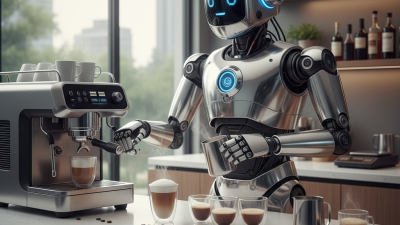
How to Choose the Best Barista Robot for Your Coffee Needs in 2023
-
5 Tips to Choose the Best Robotic Barista Coffee Machine for Efficiency and Quality
-
What Is a Robot Barista for Sale and How Does It Work?