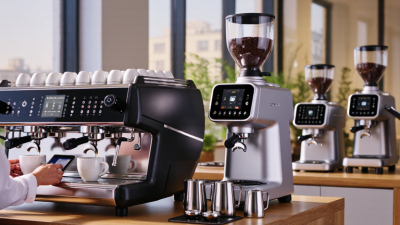
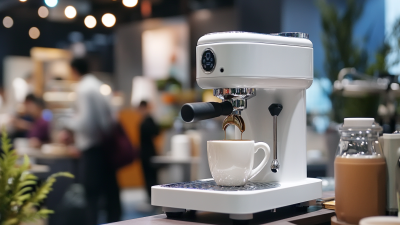
7 Tips to Choose a Robot Barista For Sale?
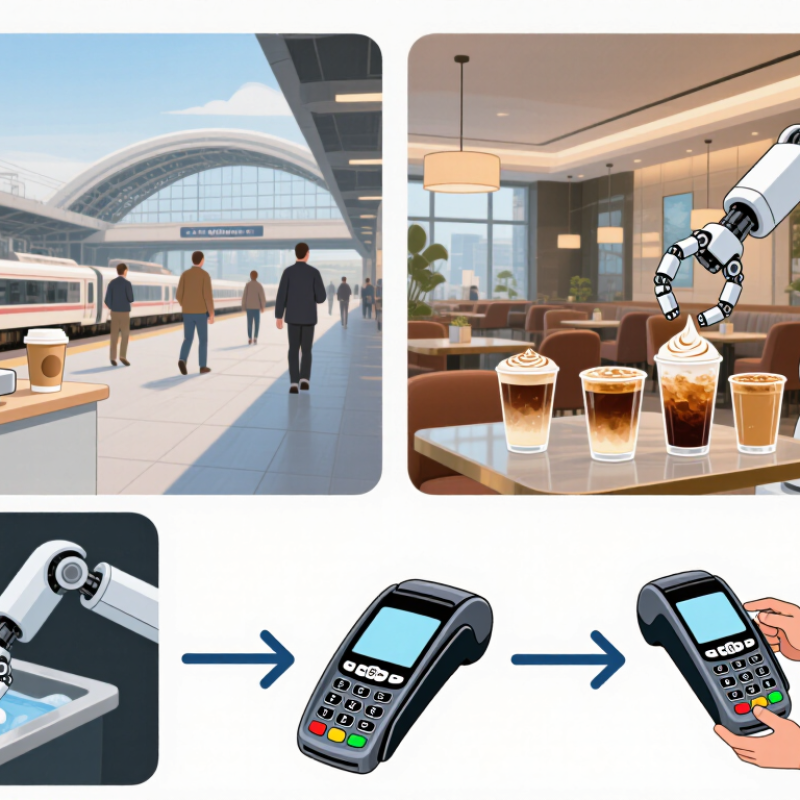
Choosing a Robot Barista For Sale is not just a matter of picking the sleekest machine. It means matching automation to your menu, customer flow, staff, and available space. A compact kiosk near a station may need fast service and a small footprint. A hotel café may value drink variety, quiet operation, and a polished handoff. The right choice should fit the workday, not just the product photos.
A note on sourcing: no article or verified expert quotation was provided, so I won’t invent a real person’s name or attribute a made-up quote. A useful principle for this guide is: “Judge the machine by the drinks it can serve consistently, not by the features on its brochure.” Treat that as editorial wording, not a sourced industry quotation.
The tips ahead will help you compare drink quality, speed, cleaning needs, payment options, support, and total cost. Ask to see the robot make your actual menu. Watch the milk texture, cup handling, and recovery after a busy rush. Small details matter. A machine that looks impressive at a trade show may struggle in a cramped shop or need more cleaning time than expected. Some trade-offs are easy to miss. Use the checklist to ask better questions, verify claims with a live demonstration, and choose a Robot Barista For Sale that suits your real service conditions.
Understanding What a Robot Barista Can Do
7 Tips to Choose a Robot Barista For Sale?
Understanding What a Robot Barista Can Do
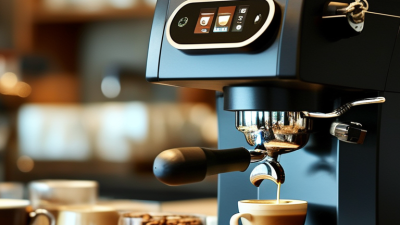
A robot barista can grind beans, measure doses, brew coffee, and dispense drinks with repeatable timing. Some systems also steam milk, add flavoring, accept digital payments, and track inventory. Speed matters. Taste matters more. A machine may produce 100 drinks per hour, yet poor calibration can create bitter espresso or flat milk. Ask for a live demonstration using your preferred beans and cup sizes.
Observe the complete workflow, not only the finished latte. Can the robot adjust grind settings, milk volume, and extraction time? Does it notify staff when water, beans, or cleaning supplies run low? Clear alerts reduce missed orders during busy periods. A reliable system should also include washable parts, automated rinsing, emergency stops, and accessible surfaces. Hygiene records and service instructions should be easy to verify.
Location changes everything. A hotel lobby may value quiet operation, while a transport hub needs fast payment and simple menu choices. Check whether the robot connects with your ordering system and whether trained staff can handle basic faults. The most expensive option is not always the most capable. In practice, complicated menus can slow service and confuse customers. I would also test accessibility, noise, refill time, and performance after several hours of continuous use. A polished demonstration can hide ordinary problems. Ask to inspect those problems.
Matching Drink Capacity and Service Speed to Your Needs
Matching Drink Capacity and Service Speed to Your Needs
A robot barista should match your busiest hour, not just your daily average. Count expected drinks during a 15-minute rush, then check the machine’s rated output and refill needs. A unit may advertise fast service, yet still slow down when it needs milk, cups, or cleaning. Ask for a live demonstration using your actual menu. Watch the queue.
Tip:
Compare service speed by drink type. Espresso may take less time than a layered iced latte, which needs extra steps and ice. Ask how long common drinks take from order to handoff, and whether several orders can be prepared at once. These details matter more than a single maximum-output figure.
Capacity is not only about the number of drinks. Check water, milk, bean, and cup storage against your shift length. If staff must refill supplies every few minutes, the machine may not save much time. A small buffer helps during sudden rushes. Still, planning for peak demand alone can lead to oversized equipment and wasted counter space. Measure your available area, then consider a week of real order patterns before choosing.
Comparing Brewing Systems, Menu Options, and Customization
A robot barista for sale should be judged by what happens in the cup, not just by its speed.
Compare its brewing system with the drinks you expect to serve. Espresso-based machines need consistent grinding, dosing, and pressure; small changes can affect crema and flavor. Some systems also offer drip coffee or cold drinks, but more functions can mean more cleaning. Ask to see several drinks made using the same beans you plan to stock. Watch the workflow closely. Is milk textured smoothly? Does the machine recover quickly during a rush?
Menu options matter just as much.
Check whether it can handle espresso, americanos, lattes, and decaf without awkward pauses or frequent refills. A long menu sounds appealing, yet uncommon ingredients may expire before they are used. Think about cup sizes, milk choices, and clear ingredient labels. Then ask how recipes are adjusted. Can staff change coffee strength or milk volume without calling a technician? Small controls make a real difference.
Customization should fit your customers and your daily routine.
A machine might allow different recipes for a morning rush and a quieter afternoon, or display a shop’s own drink names. Request a live demonstration, and test a few changes yourself. Also confirm who calibrates the grinder and how often parts need cleaning or replacement. The sales demo may look effortless. Real counters are messier. I would still leave room for doubt until the machine has handled a full service period.
Checking Reliability, Maintenance, Safety, and Support
7 Tips to Choose a Robot Barista For Sale
Choose a robot barista for sale by testing reliability before admiring its speed. IFR’s World Robotics 2023 report recorded nearly 158,000 professional service robots sold in 2022, a 48% increase. However, market growth does not prove dependable café performance. Request logged uptime, failed-order rates, recovery times, and performance data from comparable sites. Run repeated drink cycles during peak hours. Watch for spills, queue delays, and confusing error messages.
Maintenance needs equal attention. Check cleaning access around milk lines, nozzles, grinders, and drip trays. Ask how often each part requires replacement. A practical supplier should provide a parts list, service schedule, technician response target, and remote diagnostics. The U.S. National Coffee Association reported that 67% of American adults drank coffee daily in 2024. High demand makes downtime expensive. A beautiful machine can still become a costly counter ornament.
Safety checks should follow recognized standards, including ISO 10218 and ISO/TS 15066 where collaborative movement applies. Confirm emergency stops, guarded pinch points, heat protection, and safe restart behavior. Food-contact components should support the applicable food code and documented sanitation procedures. Ask for training records and written cleaning instructions. Support matters after installation. I would call references, not only sales staff. One honest weakness is useful. If a vendor cannot explain failure handling clearly, reconsider the purchase.
Evaluating Total Cost, Installation, and Return on Investment
A robot barista’s purchase price is only the visible part of the investment. Compare quotes that include delivery, site preparation, electrical work, plumbing, software, staff training, and downtime during installation. Ask for a written schedule of recurring fees and replacement parts. A machine may fit neatly beside the espresso grinder, yet require costly counter changes or an upgraded power supply. Small details matter.
Check the labor assumptions behind projected savings. The National Restaurant Association’s 2024 State of the Restaurant Industry report puts median labor costs at 31.7% of sales for limited-service restaurants and 36.5% for full-service restaurants. These figures are not a promise of savings for any one café. Use your own payroll, peak-hour transactions, and drink mix instead. If the machine handles 60 drinks during a rush, track how many staff minutes it actually frees. Then account for supervision, cleaning, and service calls. The spreadsheet may look less impressive. That is useful.
Estimate return on investment with conservative monthly figures: labor hours genuinely reduced, added sales the machine can serve, and all operating costs. Divide the net upfront cost by monthly net benefit to estimate payback time. The U.S. Bureau of Labor Statistics’ May 2023 Occupational Employment and Wage Statistics can help benchmark local food-service wages, but your actual payroll is better evidence. Test the system during real service before committing, and include a slow-season scenario. A neat calculation can still miss things.
7 Tips to Choose a Robot Barista for Sale: Total Cost, Installation & ROI
Example first-year cost profile for a commercial robot barista. Figures are illustrative planning estimates in USD, not vendor quotes.
Compare purchase price with installation, staff training, and ongoing operating costs—not just the equipment sticker price. Request an itemized quote and estimate payback using your expected drink volume, selling price, labor savings, and maintenance costs.