Why Should Global Buyers Choose a Coffee Machine Robot?

Global coffee buyers are rethinking how beverages are prepared, served, and monitored. A Coffee Machine Robot can combine automated brewing, precise dosing, and consistent service in one compact system. It may suit airports, hotels, offices, hospitals, and busy retail spaces. The machine can prepare drinks at repeatable temperatures and volumes. This reduces variation between shifts and locations.

However, automation is not a universal answer. Buyers must examine local voltage, water quality, hygiene requirements, and food-contact materials. They should request clear documentation, safety certifications, and practical performance data. A reliable supplier should also explain cleaning cycles, software updates, spare-part availability, and technician response times. These details matter when a machine operates from early morning until late evening.

The strongest purchasing decision comes from measured experience, not attractive demonstrations. Buyers can test drink quality during peak demand and observe how quickly staff learn the interface. They should compare waste levels, energy use, maintenance costs, and expected service life. A Coffee Machine Robot may lower labor pressure, but it still needs responsible supervision and regular cleaning. That is easy to overlook.

Global markets also differ in customer expectations. Some guests prefer speed, while others value personal interaction with trained baristas. A thoughtful buyer should consider both. The right machine supports people rather than simply replacing them. It creates a repeatable foundation, while staff can focus on hospitality, quality checks, and customer care. The technology is promising, but careful evaluation remains essential.
Why Should Global Buyers Choose a Coffee Machine Robot?

What Is a Coffee Machine Robot?

Why Should Global Buyers Choose a Coffee Machine Robot?

What Is a Coffee Machine Robot?

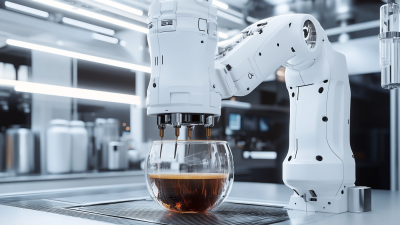
A coffee machine robot is an automated beverage system that combines brewing equipment with robotic movement. It can grind beans, measure coffee, tamp grounds, brew drinks, add milk, and place cups for collection. Some models use a robotic arm, while others use moving platforms or internal mechanisms. The term sounds futuristic, but the purpose is simple: consistent drink preparation with less manual handling.

In practical installations, sensors help detect cup position, ingredient levels, and brewing conditions. A touchscreen or connected control system may guide customers and staff through each order. For global buyers, the machine must also match local voltage, water quality, safety rules, and cleaning requirements. A reliable design should offer clear maintenance access, accurate temperature control, and replaceable working parts. It is not magic. Dust, poor calibration, or hard water can still reduce performance. That part is easy to underestimate.

Tips: Ask for service instructions before purchasing. Check cleaning time, spare-part availability, language options, and operator training. Request performance data from comparable locations. A beautiful demonstration may hide difficult daily maintenance. Consider the entire workday, not only the first impressive cup.

How Does a Coffee Machine Robot Work?

A coffee machine robot turns a digital order into a measured beverage through linked mechanical and software steps. The user selects a recipe on a screen or connected control panel. An internal controller checks cup position, water level, bean supply, and temperature. Optical and weight sensors help confirm each stage. Small errors matter. If the cup shifts, the system can pause or alert an operator. This feedback loop makes operation more repeatable than manual pouring, although it cannot remove every variable.

The grinder adjusts its cutting speed and releases a controlled amount of coffee. A dosing gate moves the grounds into the brewing chamber. The brewer then forces heated water through the coffee under regulated pressure. Temperature sensors monitor the water before and during extraction. For milk drinks, a separate module can heat, foam, and dispense milk in measured volumes. Some systems also check foam temperature and texture. It sounds simple. In practice, calibration matters. Humidity can change grind behavior, while older beans may produce weaker crema.

After dispensing, automated rinsing clears coffee residue from internal pathways. Waste containers and water tanks use level sensors to support timely servicing. Reliable machines record faults, temperatures, and cleaning events for staff review. Operators still need to refill ingredients, inspect seals, and follow cleaning schedules. That human role is easy to underestimate. Global buyers should examine service access, electrical compatibility, sanitation controls, and spare-part availability before purchase. The weak point? Often, it is neglected cleaning or poor calibration.

Which Features Matter to Global Buyers?

Global buyers should judge a coffee machine robot by practical performance, not futuristic appearance. The International Coffee Organization estimated global coffee consumption at 177.0 million 60-kilogram bags in 2022/23. Demand is large, but operating conditions differ sharply across markets. A useful machine must support multiple voltages, local languages, payment systems, and water conditions.

Consistency is a major purchasing factor. The robot should control grinding, dosing, extraction time, milk temperature, and cup placement. Small errors matter. A clear interface helps staff correct mistakes quickly. The IFR World Robotics 2023 report recorded 553,052 industrial robot installations worldwide in 2022. This growth shows stronger acceptance of automation, but coffee service requires softer priorities. Easy cleaning, safe food-contact materials, and simple daily inspection are essential. Buyers should request measurable cleaning procedures, not attractive promises.

Remote diagnostics can reduce service delays across borders. Useful systems report temperature, ingredient levels, fault codes, and maintenance needs. Modular parts also matter when local technicians cannot access specialized tools. Energy consumption should be measured per drink, not only per hour. The machine should also provide reliable data protection and adjustable recipes for regional tastes. No system is perfect. Milk residue, unstable water pressure, or poor staff training can still reduce quality. Buyers need test results from similar climates and busy service periods, not only showroom demonstrations.

Why Should Global Buyers Choose a Coffee Machine Robot? - Which Features Matter to Global Buyers?

A practical benchmark of the features, operating requirements, and purchasing criteria that matter most in international coffee-service automation.

Global Buyer Feature and Performance Benchmark
Feature Dimension Benchmark / Target Value Why It Matters to Global Buyers Recommended Acceptance Criterion Priority
Drink preparation speed Approximately 60–120 seconds per drink Shorter service time helps reduce queues in offices, transport hubs, hotels, campuses, and retail locations. Verify average cycle time using the buyer’s selected recipes, cup sizes, and payment workflow. Critical
Daily serving capacity Typically 100–300 drinks per day, depending on configuration Capacity must match local footfall without causing excessive maintenance or ingredient replenishment. Require a capacity test at the expected peak-hour demand, not only a laboratory maximum. Critical
Recipe and menu flexibility At least 10–20 configurable recipes with adjustable dosage and volume Taste preferences, cup sizes, milk choices, and seasonal menus vary significantly between markets. Confirm recipe editing, multilingual interface support, and administrator permission controls. High
Payment integration Support for contactless cards, mobile wallets, QR payments, and local gateways Payment preferences and transaction rules differ by country and application environment. Validate compatibility with the target country’s payment standards and obtain local compliance documentation. High
Remote monitoring Cloud dashboard with alerts for stock, temperature, faults, sales, and cleaning status Remote visibility reduces unnecessary site visits and supports multi-location management. Require role-based access, event logs, exportable reports, and alerts through at least two channels. High
Cleaning and hygiene automation Automatic rinse cycles plus guided daily and periodic cleaning procedures Milk systems, water lines, and beverage-contact parts require disciplined cleaning to maintain food safety and quality. Check cleaning time, chemical requirements, removable parts, drainage needs, and documented sanitation procedures. Critical
Ingredient and waste management Separate monitoring for coffee, milk, water, cups, grounds, and waste containers Accurate stock visibility prevents downtime and enables efficient route planning for operators. Require low-level alerts and clearly defined refill intervals under expected daily demand. High
Electrical compatibility Designed for common regional supplies, generally 100–240 V with country-specific frequency options Voltage and frequency differences can affect installation, safety, warranty, and operating reliability. Confirm rated voltage, frequency, plug type, protection requirements, and applicable electrical certifications. Critical
Water quality and plumbing Compatible with filtered water; hardness control commonly required for reliable operation Water hardness and mineral content differ by location and influence taste, scale formation, and service intervals. Specify filtration, drainage, inlet pressure, tank capacity, and allowable water-quality ranges before installation. High
Food-safety and compliance Documented materials, temperature controls, traceable procedures, and market-specific certifications Import, installation, and operation may require different documentation across jurisdictions. Request declarations, test reports, user manuals, HACCP-related procedures, and local conformity evidence where required. Critical
Serviceability and spare parts Modular components, remote diagnostics, and a defined spare-parts supply process Local technical support is essential when machines are deployed across multiple countries. Agree on response times, training, spare-parts availability, warranty scope, and escalation procedures. Critical
Energy efficiency Standby mode, insulated heating systems, and programmable operating schedules Energy costs and sustainability requirements affect total operating cost, especially in unattended locations. Compare measured consumption over a full operating day rather than relying only on rated power. Medium
Total cost of ownership Evaluate purchase, installation, ingredients, cleaning, payment fees, maintenance, and downtime The lowest purchase price may not provide the lowest cost per served drink over the machine’s operating life. Model cost per drink under conservative, expected, and peak-volume scenarios for at least three years. Critical

Buyer evaluation note

The benchmark ranges are practical planning values for international procurement. Actual performance depends on drink recipes, ambient conditions, water quality, ingredient format, site utilities, operating hours, and local regulations. Buyers should validate all critical figures through a site-specific demonstration and compliance review.

What Benefits Does It Offer Businesses and Customers?

A coffee machine robot can give businesses a more consistent way to serve drinks throughout the day. It measures coffee, water, milk, and temperature with repeatable settings. Customers receive a similar cup during a morning rush or a quiet afternoon. That reliability can strengthen trust, especially in offices, hotels, hospitals, and transport hubs.

The customer experience becomes faster and more convenient. A worker can order a latte from a touchscreen and collect it within minutes. Clear prompts also reduce ordering confusion for visitors who speak different languages. For businesses, automated preparation can reduce repetitive labor and free staff for cleaning, hospitality, and customer support. Digital records may help managers track popular drinks, peak hours, and ingredient use. These details support better purchasing decisions and less avoidable waste.

It is not flawless.

Machines still need cleaning, refilling, software checks, and human supervision. A poorly maintained system can produce slow service or an uneven drink. From practical operation, staff training remains essential, even when the process looks simple. Businesses should test accessibility, noise, cup sizes, and emergency procedures before installation. Customers also deserve clear allergy information and visible ingredient choices. The strongest benefit appears when automation supports people, rather than trying to replace every part of service.

How Should Buyers Evaluate Models and Suppliers?

Global coffee demand makes automated service attractive, but demand alone cannot select the right machine. The International Coffee Organization estimated 177 million 60-kilogram bags were consumed in 2022/23. USDA’s Coffee: World Markets and Trade forecast roughly 176 million bags for 2024/25. Buyers should therefore test machines for busy locations, not showroom beauty.

Start with drink consistency. Measure extraction time, beverage temperature, milk texture, and dosing across at least 100 orders. A robot that produces excellent espresso twice may still fail during a lunch rush. Check cleaning cycles, water filtration, noise, power demand, and waste handling. Small details matter. Ask for real uptime records, not only advertised capacity. An independent technician should inspect the machine’s internal access and safety controls before purchase.

Supplier quality deserves equal attention. Require documented training, spare-parts availability, remote diagnostics, warranty limits, and service response times. The International Federation of Robotics reported continued growth in professional service-robot adoption, but adoption does not guarantee reliable local support. Run a paid pilot for 30 days. Track failed drinks, refill frequency, cleaning labor, and revenue per operating hour. One uncomfortable finding may appear: the cheapest unit can cost more when downtime and consumables are included. Buyers should also request references from comparable sites, while remembering that one successful installation is not proof of universal performance.

Why Should Global Buyers Choose a Coffee Machine Robot?

A coffee machine robot can improve beverage consistency, automate repetitive preparation tasks, and support longer operating hours with fewer manual interventions. The chart presents a practical buyer evaluation framework, with the highest priority placed on drink consistency and operational throughput. Buyers should verify each score through product testing, compliance documents, service records, total-cost calculations, and supplier references.

​ ​